Kaufland Expands to Spain and Netherlands
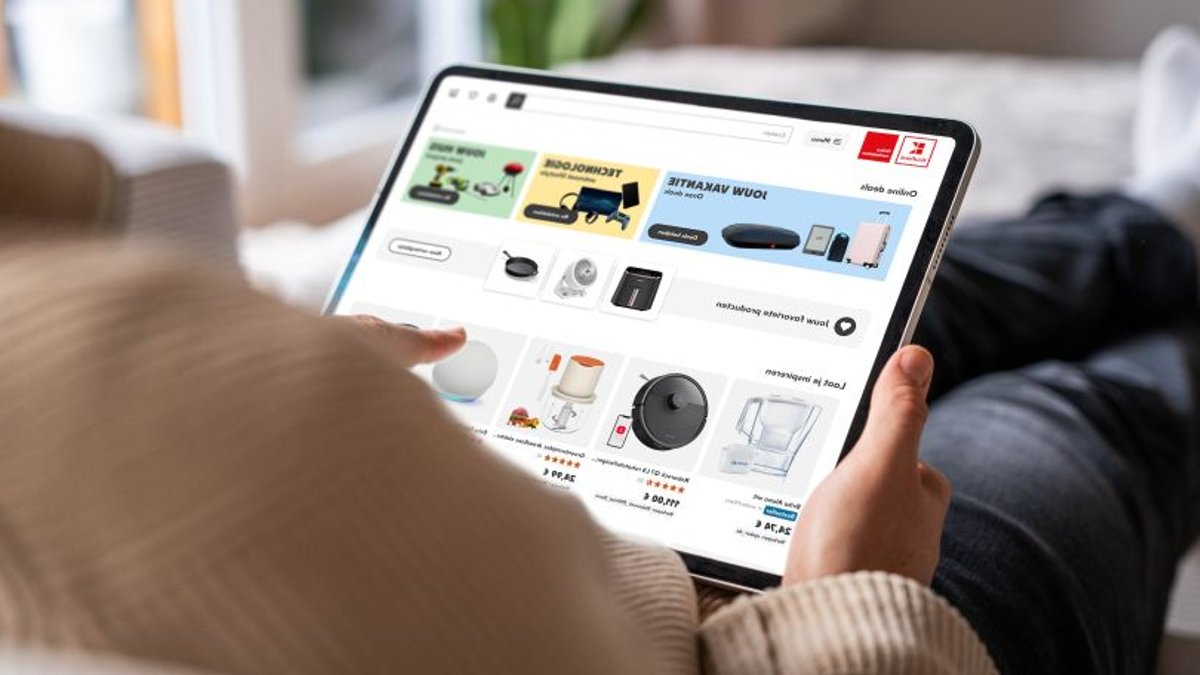
Kaufland is expanding its online marketplace to Spain and the Netherlands by the end of summer. The move will extend its presence to nine countries across Europe. Sellers can now register for the new markets, enabling them to reach a broader audience. The company has already established a presence in eight countries with over 1,600 physical stores. As a hypermarket chain from Germany, Kaufland operates under the Schwarz Group, which also oversees Lidl. Its extensive brick-and-mortar footprint, combined with its growing digital platform, positions it as a major player in European retail. The expansion to Spain and the Netherlands reflects a strategic effort to capitalize on regional market trends, including rising e-commerce adoption and demand for localized shopping experiences.
As a hypermarket chain from Germany, Kaufland operates under the Schwarz Group, which also oversees Lidl. Its marketplace model launched in Germany in 2021 and expanded to Slovakia, the Czech Republic, Austria, and Poland in the following years. Last year, it added France and Italy to its network. The latest expansion follows a pattern of steady growth across the region. The company’s incremental approach has allowed it to test and refine its marketplace model in each new market before scaling further. This method has contributed to its ability to maintain high performance metrics, such as the 32 million monthly visitors recorded in Germany, which shows the platform’s appeal to a large and active user base.
Related: The Secrets to Getting Ready for Work Faster in the Morning
In Germany, the marketplace attracts up to 32 million monthly visitors. It offers more than 45 million products across 6,400 categories. In Austria, revenue surged 439% compared to 2024. In Poland, revenue rose 322% over the same period. Both marketplaces are now two years old, reflecting strong consumer interest. The success in Austria and Poland highlights the effectiveness of Kaufland’s localized strategies, including tailored marketing and seamless integration with regional consumer preferences. These growth figures demonstrate the platform’s ability to adapt to different markets while maintaining operational efficiency and scalability.
With the new launches, the marketplace will become active in nine markets. This will make it the largest marketplace network of European origin. According to the company, it currently has an audience of 139 million online consumers. With these new expansions, its potential reach will grow to 22
Related: Benefits of ordering clothes online at aurelien-online.com
Sellers can list products on all Kaufland marketplaces once registered. Tools are available to translate product details, customer inquiries, and legal documents. Local language customer support and payment processing in native currencies are also offered. These features aim to reduce barriers for international merchants. The translation tools, in particular, enable sellers to maintain consistency in product descriptions and compliance documentation across multiple languages, while local payment options minimize transaction friction for buyers. This full support system is designed to support inclusivity and ease of use for both sellers and consumers across diverse markets.
The expansion highlights Kaufland’s strategy to grow its digital footprint. By leveraging its physical store network and existing marketplace infrastructure, the company seeks to strengthen its position in European e-commerce. The move comes as online retail continues to expand across the continent. Kaufland’s integration of its offline and online operations allows it to offer a hybrid shopping experience, combining the convenience of e-commerce with the trust and accessibility of physical stores. This dual presence enhances its ability to meet consumer expectations in an increasingly digitized retail setting.
Related: Solo Traveling? Here’s 7 Destinations That You Can Visit
Analysts note that Kaufland’s growth aligns with broader trends in cross-border shopping. The ability to sell across multiple European markets could attract more small businesses. However, competition from other major platforms remains a challenge. The company’s focus on localized support may help it stand out in crowded markets. By prioritizing language-specific services, currency flexibility, and regional compliance, Kaufland addresses key pain points for international sellers, potentially differentiating itself from competitors that lack such tailored solutions. This approach could be critical in attracting and retaining a diverse range of vendors as the marketplace continues to scale.

The Secrets to Getting Ready for Work Faster in the Morning


